Our new curated Library
In July 2026 and just in time for the newly unfolding summer season was released Post Lech’s curated library within Hubertus Halle — the hotel’s stately room known for its impressive size and its plentiful intricate wood details, from its wall panelling to the ornate ceiling and vast skylight.
Named after Sankt Hubertus, saint patron of hunters, archers and dogs, the room is dotted with impressive hunting trophies that give the space a traditional and spellbinding aspect, seemingly always bathed in honey hues and a particularly ethereal light.
The Hubertus Halle serves as a guests-only lounge for afternoon teas and apéritifs or alternatively as a reception room for events throughout the year. This is also where guests congregate every Sunday evening for a welcome drink and greetings from the Moosbrugger family, as well as for daily rests after full days of either hiking or skiing. In winter, the room becomes a praised destination for coffee or night caps by the smoldering fire — its proximity with Bemelmans Bar next door only comforting this aspect further.
Post Lech has worked with Sans Soucis Studio, a practice specialised in hospitality design, storytelling and cultural projects led by Cécile Christmann, a Central Saint Martins alumna and priorly a designer and curator for New-York-based publishing house Assouline — where she helped develop the idea of “curated libraries” and where the concept originally stemmed from.
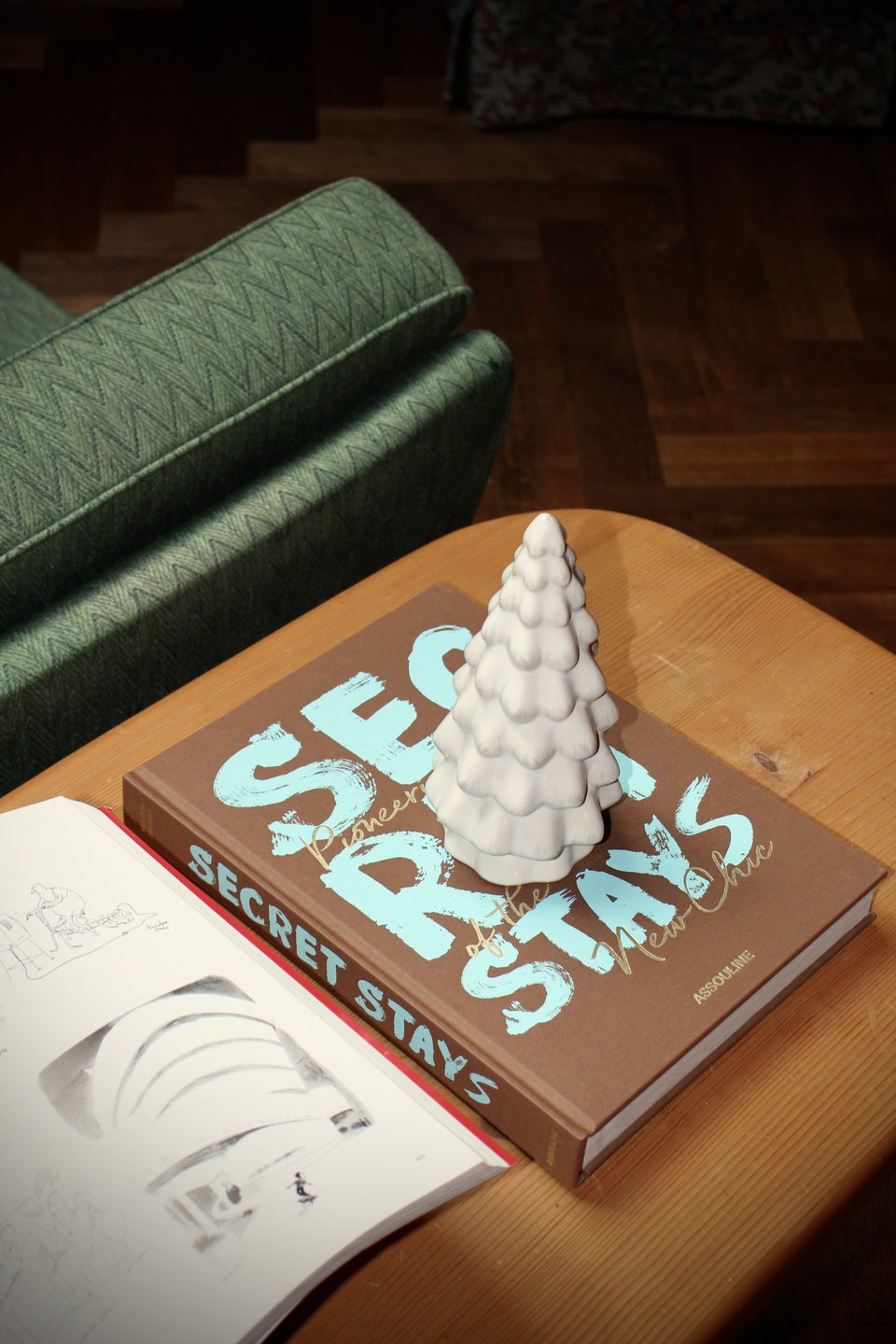
The term designates a place, or rather a destination (that can either be a full room or dedicated shelves) where the books, objects, artworks at play but also the overall atmosphere have been carefully thought-out and assembled together to deliver specific cultural narratives and create a dedicated space for discussions, discoveries, leisure and enjoyment.
At Post Lech, the idea behind the 6-months research, curation and sourcing project was to reflect, through the delicate association and combination of hand-picked books and accessories, the fascinating stories that lay within the hundred-years old “Gasthof” building as well as Lech am Arlberg and Vorarlberg’s larger history and heritage.
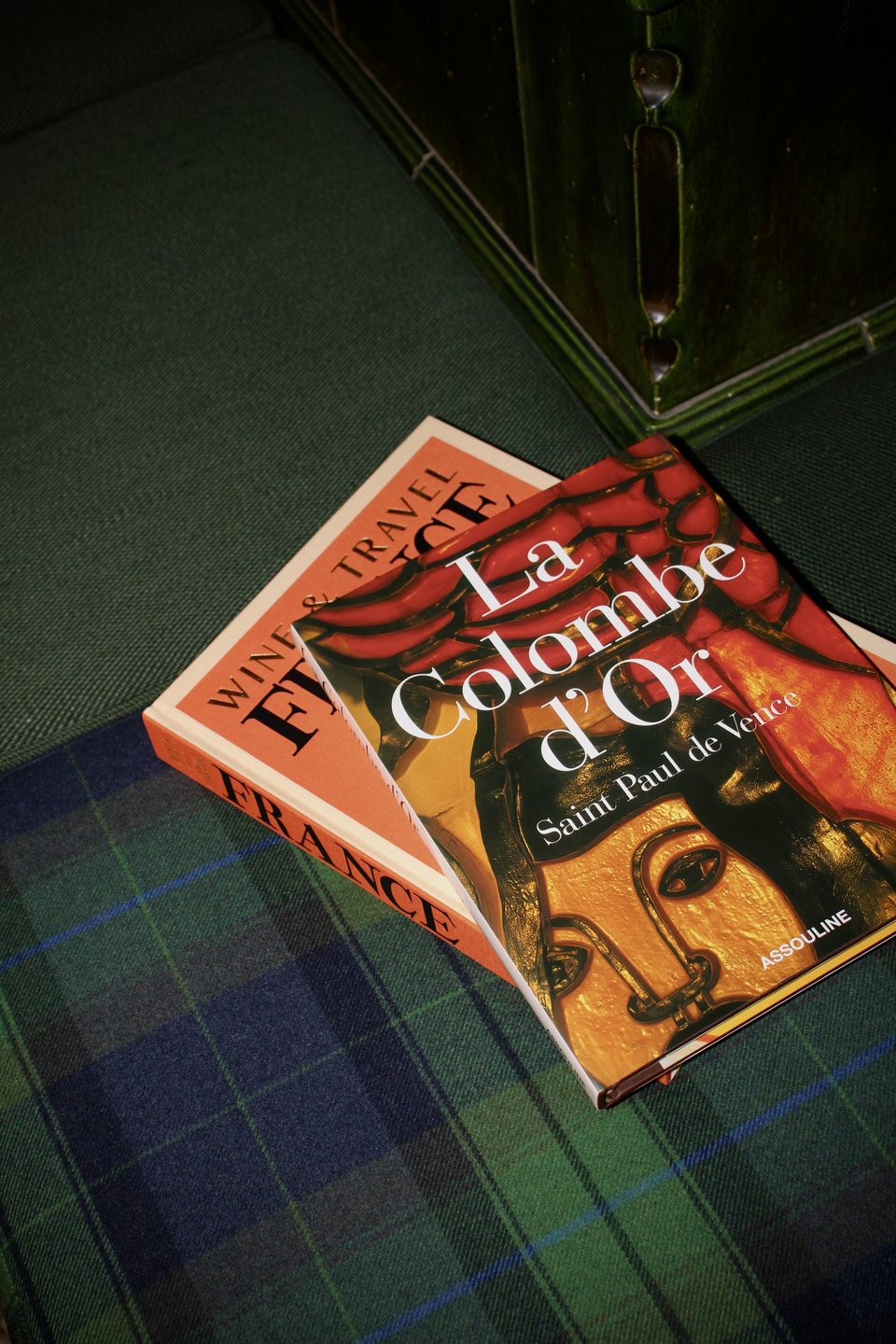
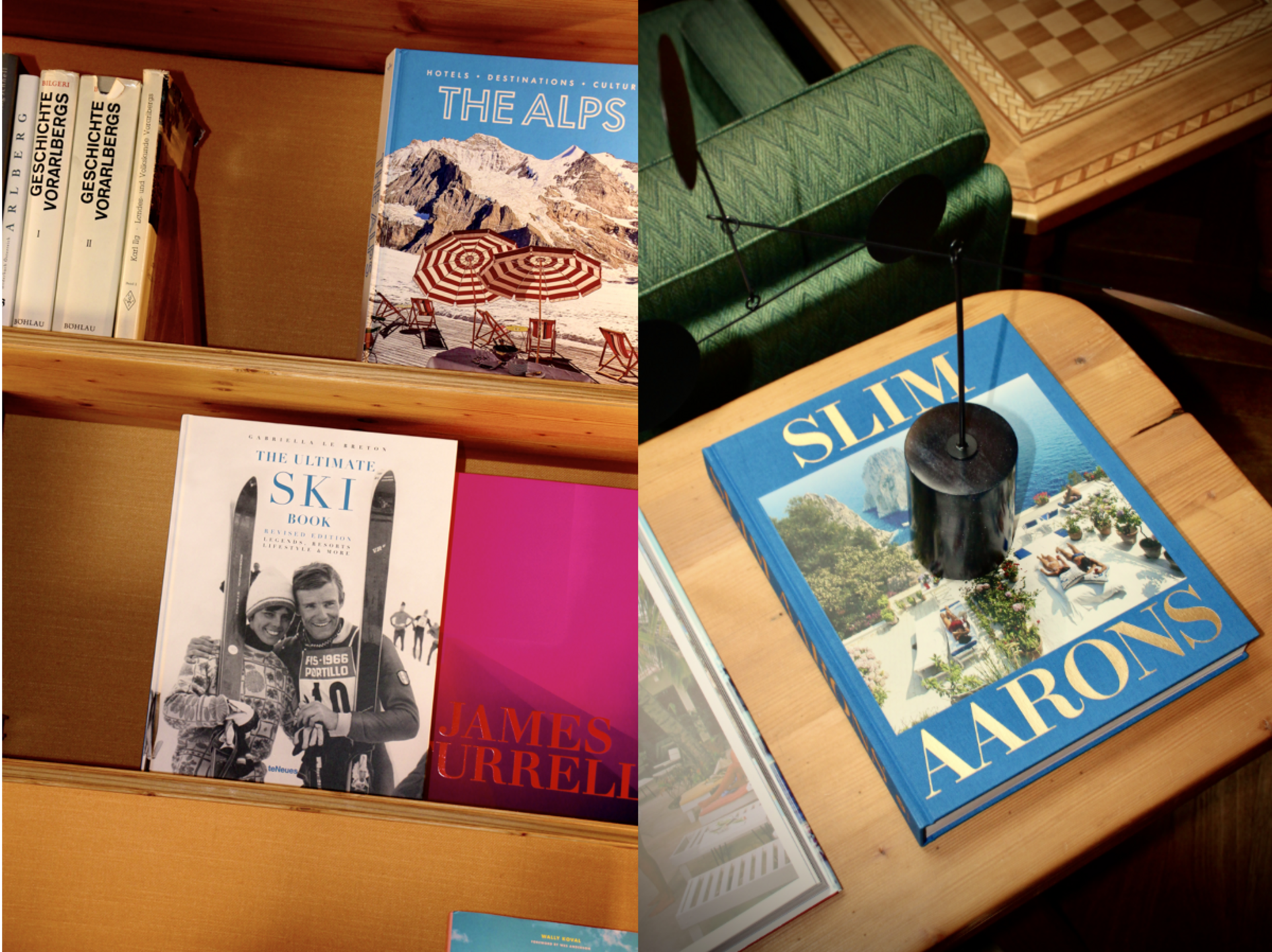
Whether contemporary or vintage, and whether existing from Post Lech’s original library or sourced from the world over, the volumes and their accompanying memorabilia are putting in perspective the region’s landscape, architecture, gastronomy and wines, as well as some of the valley’s illustrious past guests: photographers Slim Aarons and Robert Capa, but also olympic skiers as well as several European royal families.
Classics of Viennese literature such as Stefan Zweig or Vicki Baum share shelf space with writers deeply associated with a local travel literature. Ernest Hemingway, for example, was a regular of the neighbouring valley of Montafon, where he wrote some of his most essential works, including “The Sun Also Rises”.
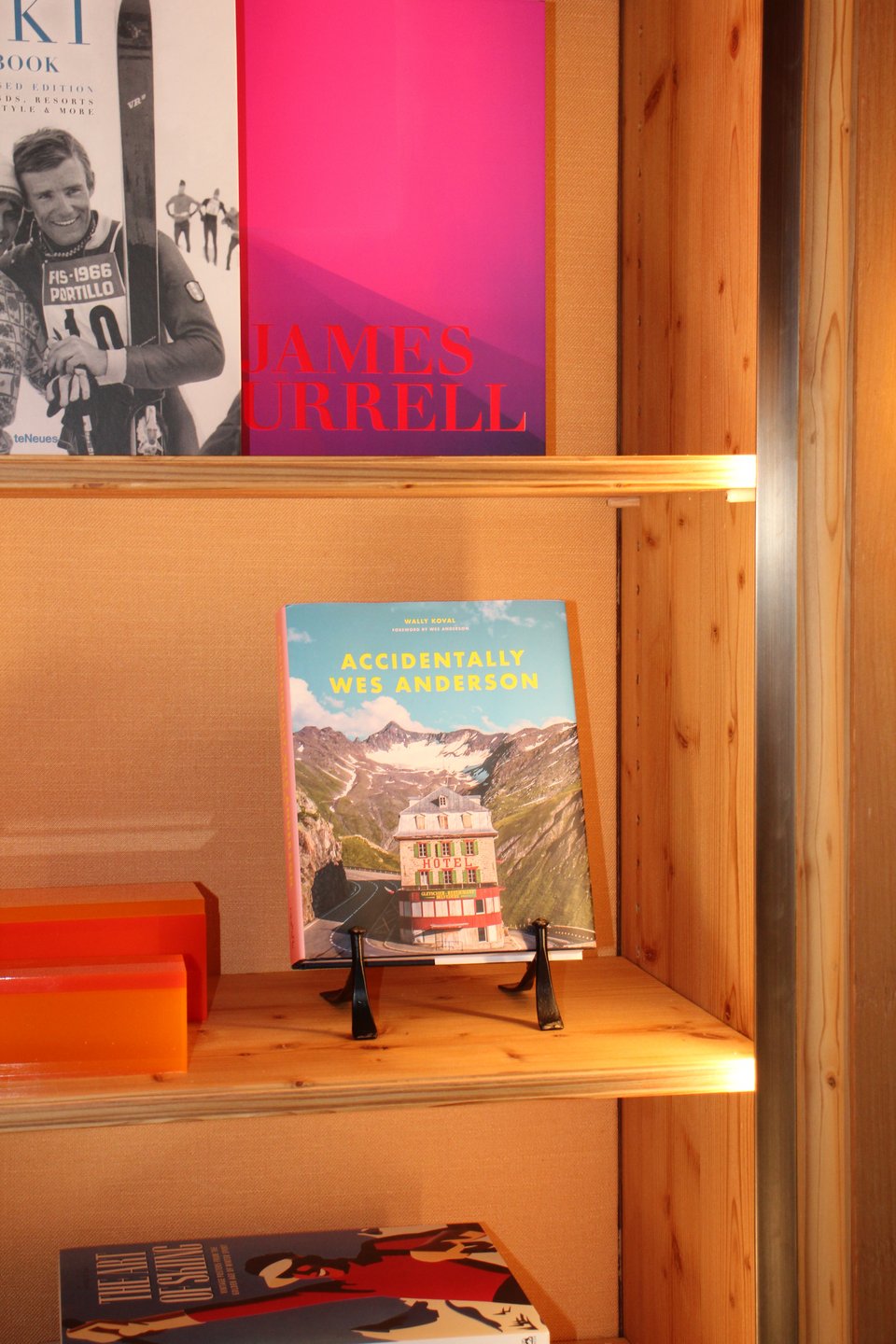
A rare edition of Romain Gary’s “The Ski Bum” complete this select overview of twentieth century alpine and high society literature and echoes the many monographies on sports and legendary skiing and hiking destinations over the world.
Lech am Arlberg is indeed a place full of legends on its own, from its anchored tights with the advent of alpine skiing as we know it today to its current status as still one of the most exclusive holiday destination in the Alps — gifting plenty of opportunities to dive into both its past and contemporary legends.
Other volumes tell the story of Austrian wines and terroirs (a subject already mastered in the Post’s restaurants, at the bar as well as every Wednesday’s wine tastings!) or share the richly-illustrated cocktail recipes of Cecil Beaton, an influential painter and photographer who was also royal portraitist to the crown of England.
There are very discreet hints at “The Jump”, Hans Truöl’s iconoclast picture of local Olympian Egon Zimmermann ski-jumping on top of a no-less legendary Porsche 356 on nearby Flexenpass — a car that’s still heavily associated with Lech and that we can still regularly see on its roads, especially at the Arlberg Classic Car Rally every July.
A curious guest might also find vintage prints of Truöl’s famous photo series in one of the many corridors and staircases of Post Lech, entertaining the common threads and resonance the library’s volumes have with the rest of the hotel and its past.
Ludwig Bemelmans – a special connection to Lech
The most pregnant presence in the library however remains Ludwig Bemelmans (1898–1962), the Austro-American author and illustrator behind the highly successful “Madeline” children books, but also a bigger-than-life character who influenced both press drawing as well as twentieth century literature through his prolific drawn and written work.
Incidentally, the author also gave his name to Post Lech’s iconic “Bemelmans Bar” (the only other Bemelmans Bar is New York’s Carlyle one, with original and highly acclaimed wall paintings by the artist), as an homage to this influential figure for both the hotel and the village of Lech.
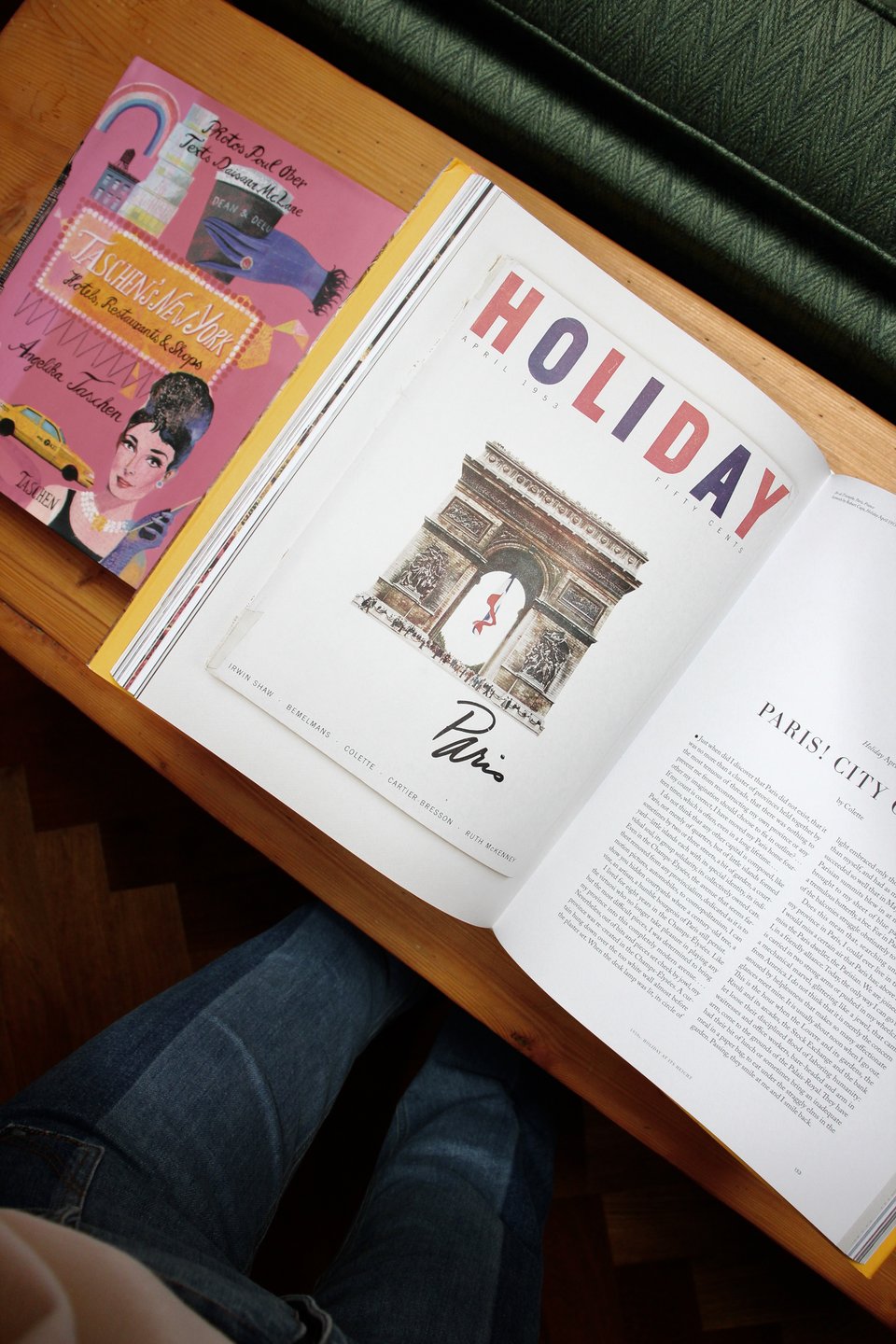
His presence can be felt through a variety of volumes throughout Hubertus Halle’s new library; superbly preserved 70-years old cookbooks he illustrated for its New-York based German restaurant Lüchow’s, publications on fellow illustrators Cecil Beaton or Raymond Briggs, rare New Yorker or Holiday Magazine monographs, and of course the notable books he authored himself, with recurrent mentions of Lech and Vorarlberg.
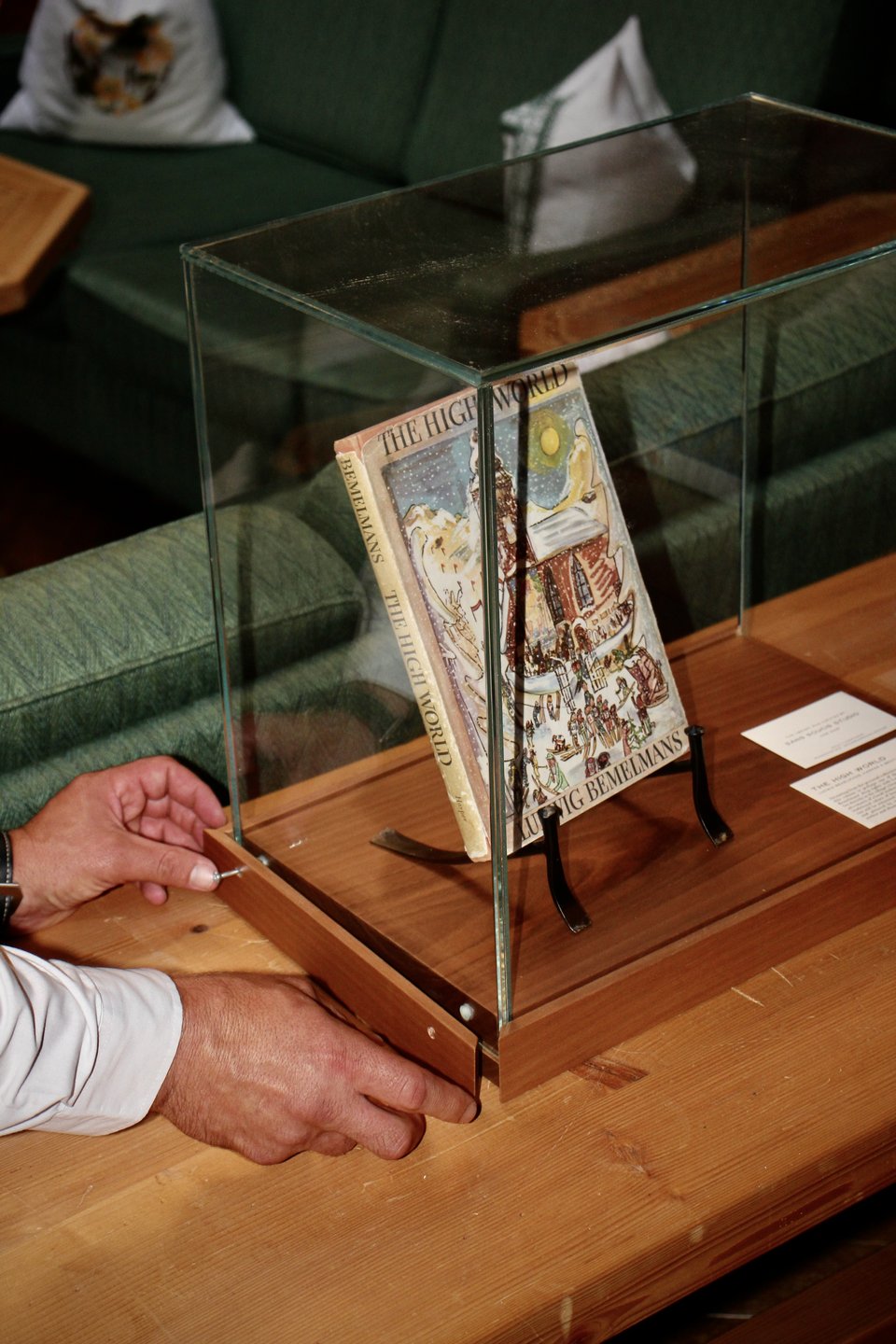
One of them, “The High World” — a rare 1954 volume now encased in a custom wooden and glass box — is directly stemming from the Moosbrugger family’s collection and poetically pictures Lech and its instantly-recognisable church and fresco — on a beautifully-aged cover.
Preserving stories – and creating new ones
At a time where Post Lech is preparing to celebrate its 90th anniversary of its history with the Moosbrugger family, and exactly 40 years after the creation of both Hubertus Halle and Bemelmans Bar, it feels essential to look back at the stories and legends of the past in order to be able to continue building new ones.
Every guest, from the ski-lover to the mixology enthusiast, now has the occasion to explore at will this curated terrain of discovery and knowledge, but also of playful visuals, formats and textures, enriched with a unique and storied decor.
Nowadays, such a place for respite feels more and more like a gift in our busy and rapid lives, and for one to allow such time for leisurely reading in a heartwarming room does indeed feel like a pure luxury — that only few places can truly offer.